


About the Project
After 21 years of authoritarian regime, the Federal Constitution was promulgated on October 5, 1988, marking the return of Brazilian democracy. Under the new Constitution, the Brazilian Supreme Court was given greater powers of judicial review in terms of constitutionality control.
Over the almost four decades that the 1988 Constitution has been in force, the STF has analyzed major issues debated in Brazil's political, social, economic and legal spheres. The landmark cases judged by the Full Court that best highlight the Court's actions during this period and that impacted in some way on the consolidation of constitutional rights and guarantees have been brought together in a single space. In order to facilitate the access for the national and international communities, the content of this hotsite is presented in Portuguese, English and Spanish.
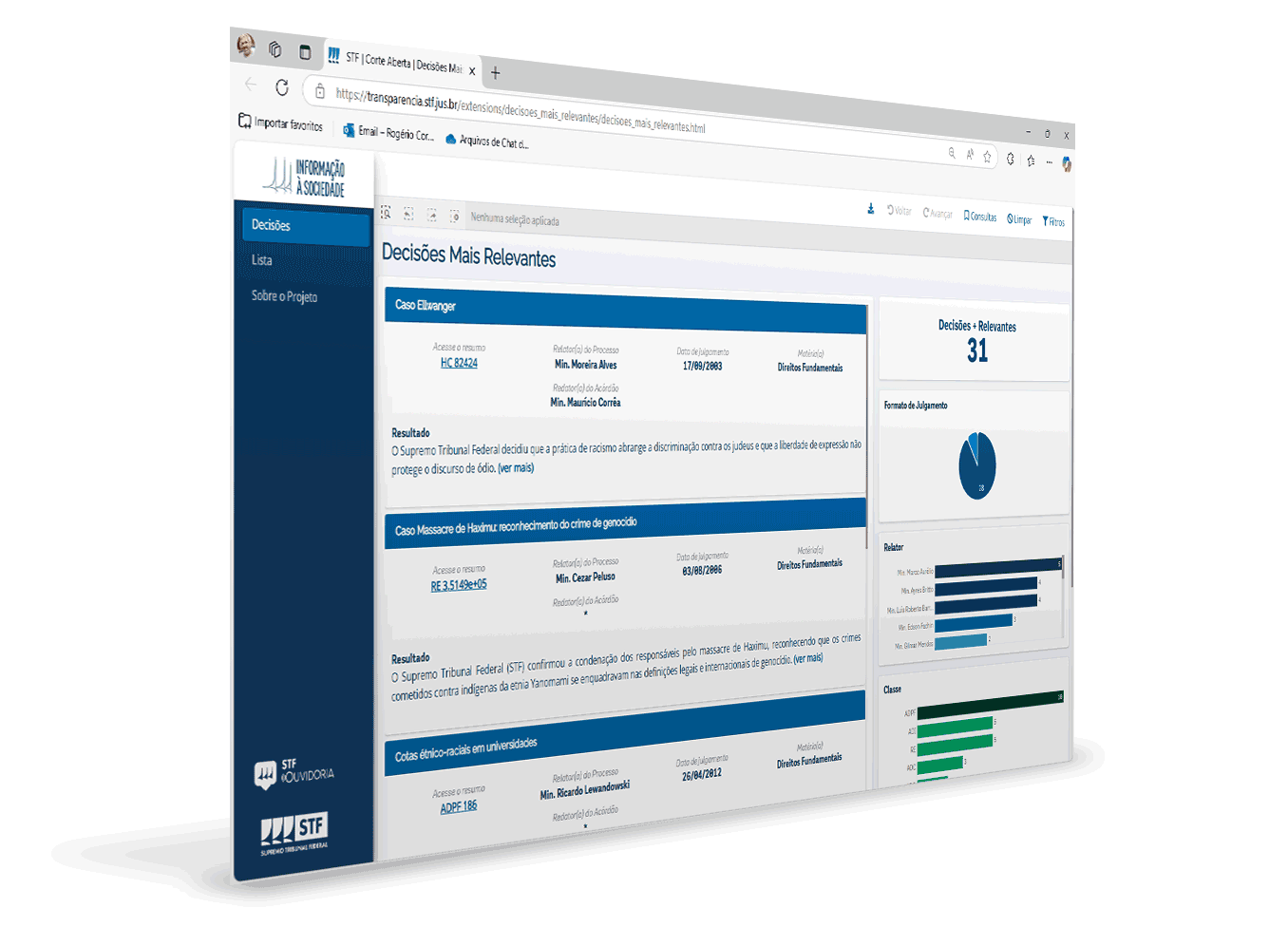
This platform allows the society to access relevant decisions to understand the history of the STF´s actions from October 1988 to December 2023.
Goal
To bring the STF and society closer together, as well as to promote the Court’s internationalization, by publishing a selection of landmark cases judged by the STF since the promulgation of the 1988 Constitution.
Frameworks for Establishing Relevance (landmark status)
To identify and classify the landmark cases, we followed some institutional frameworks for establishing relevance, such as thematic institutional publications, public hearings, and the participation of amici curiae, among others.
Click here for more information.
Case selection methodology
The identification of the landmark cases decided by the STF under the 1988 Constitution was carried out in five stages, as described below:
Stage 1 - Database creation. The cases were identified according to the following criteria:
- institutional design criterion (mandatory): having one or more decisions issued by the Full Court of the STF.
- temporal criterion (mandatory): having been judged from October 5, 1988 to December 31, 2023.
- internal criteria: mention of the case in thematic institutional products or international dissemination products.
- external criteria: public hearing or participation of one or more amicus curiae.
After this stage, these cases have been organized in a Landmark Cases Database (LCD).
Stage 2 - Improvement of the LCD . Considering the specialized literature on the work of the STF, as well as the changes in the Court's interaction with the other branches of government, society and the media, the cases identified in the Stage 1 were organized into three phases:
- Phase 1 (1988 to 1999): marked by self-contained behavior when exercising its competencies, with less interaction with other actors than in the following phases.
- Phase 2 (2000 to 2014): marked by the encouragement of civil society participation in actions, particularly with the admission of amici curiae and the implementation of public hearings, broadening legal discussions from technical and social perspectives.
- Phase 3 (2015 to 2023): marked by the growing use of the STF to protect fundamental rights, in cases with a major impact on citizens' daily lives, as well as for the judgment of politically relevant actions on the national scene.
Stage 3 - Established number of samples of landmark cases for each phase. A fixed proportion of cases was defined for each phase, allowing for replication according to the number of cases selected (50, 100, or any other number). However, a purely proportional division proved to be unfeasible for defining the landmark cases due to the specificities of each phase, mentioned in the Stage 2. Thus, having a selection of 50 cases as a reference, it was therefore decided to redistribute the vacancies, resulting in 5 cases for Phase 1, 25 for Phase 2 and 20 for Phase 3.
Stage 4 - Thematic classification1. In order to classify each case according to theme, the following categories were defined: Fundamental Rights; Rule of Law and Democracy; Environment; and New Technologies.
Stage 5 - Application of institutional analysis in the LCD+ and dissemination of cases . At this stage, two distinct databases were created:
- LCD: made up of 2,677 cases, defined based on institutional design, time and relevance criteria (Stage 1).
- LCD+: based on the analysis of the Court's current management, supported by the parameters described in Stages 2, 3 and 4, the landmark cases were selected.
With the aim of promoting qualified scientific dissemination and democratizing access to the knowledge generated by research, the LCD can be accessed here.
Click here to access the research methodological note.
1 It is important to note that this thematic classification can be modified, considering the different research contexts.
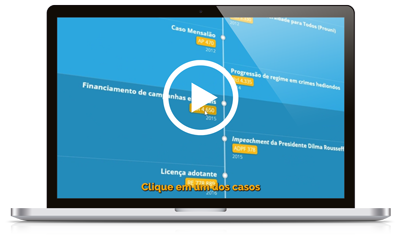
Timeline
Landmark cases
Publication
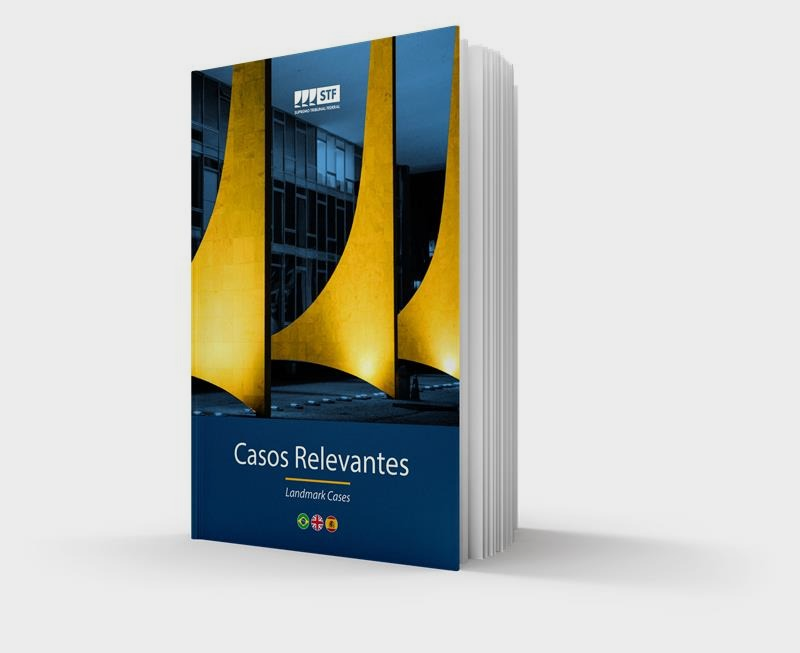
Check out the publication that brings together the 50 landmark cases presented on the Dashboard.